Giraffe with Glasses SVG - EP497
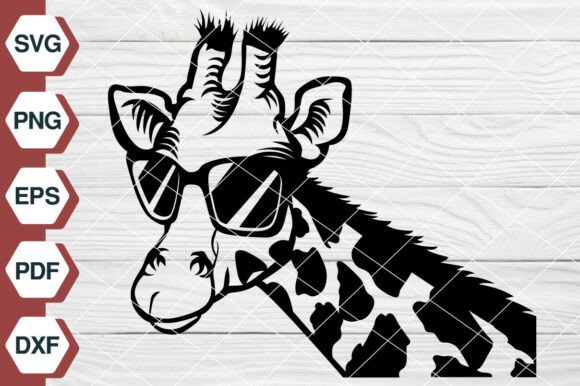
When I first opened the Giraffe with Glasses SVG - EP497 file, I was struck by its quiet charm. This is not a loud, cartoonish design. It has a gentle, thoughtful personality that feels suited to everything from nursery decor to personalized gifts. The elongated neck, soft expression, and the pair of glasses give it a studious, friendly look that immediately made me think of storytime themes, classroom projects, and bespoke children's items. As someone who regularly evaluates digital embroidery files for real production use, I pay close attention to how a design will translate from screen to fabric. This one offers a clean silhouette with enough detail to feel complete but not so much that it becomes a thread management nightmare. The lines are clear, the proportions are balanced, and the overall composition feels intentional. That is exactly the kind of foundation I look for before committing to a project.
First Impressions and the Mood It Creates
The first thing I noticed is the mood. This giraffe feels approachable and warm. It is not trying to be funny or overly cute. It simply exists as a well-drawn character with a distinct personality. The glasses add a layer of sophistication that makes the design versatile for both children and adults. I could see this on a toddler's sweatshirt, a teacher's tote bag, or even a whimsical kitchen towel for a book-loving friend. The shape is compact enough to fit within a standard hoop size without awkward cropping. The neck and head form a natural focal point, and the glasses sit nicely on the face without overwhelming the features. That is important for embroidery because small details like glasses frames can easily become lost or distorted in stitching. Here, the glasses are drawn with enough thickness to hold their shape in satin stitch or fill stitch, which gives me confidence that they will read clearly on fabric.
Because this is a digital download available in SVG, PNG, EPS, PDF, and DXF formats, I have the flexibility to use it across different platforms. Whether I am preparing a machine embroidery design, creating a printable mockup for an Etsy listing, or sizing the design for a specific product, the high resolution files give me a clean starting point. The file formats cover both vector and raster needs, which is practical for someone who works across digital products and physical goods.
A Real Project Scenario: The Custom Tote Bag
Last month, I was asked to create a batch of custom tote bags for a small independent bookstore that specializes in children's literature. The owner wanted something literary but playful, and she had a soft spot for giraffes. I immediately thought of the Giraffe with Glasses SVG - EP497. The design fit the brief perfectly: a giraffe with glasses suggests a love of reading, and the gentle style matched the store's warm brand. I prepared the design for a medium-sized tote bag using a 5x7 hoop. The giraffe centered nicely on the fabric, and the glasses detail stitched out cleanly in a dark brown satin stitch against a cream cotton canvas. I used a light tear-away stabilizer and a 75/11 needle, and the design ran without any issues. The fill stitch areas were dense enough to give good coverage but not so heavy that they puckered the fabric. The finished product looked professional and charming. The bookstore owner was thrilled and told me customers were drawn to the design. Several people asked if the bags were available for purchase. That is the kind of real-world validation that matters.
Performance Across Different Embroidery Applications
Since that first project, I have tested this design on several other products. Here is what I have observed. On a cotton sweatshirt, the design stitched smoothly with good registration. The glasses detail held up well even after multiple washes. I recommend a medium-weight cut-away stabilizer for knit fabrics to prevent stretching. On a soft baby onesie, the design scaled down nicely without losing readability. The giraffe's face remained clear, and the glasses did not become a muddy blob. Use a soft mesh stabilizer and a lightweight needle for delicate fabrics. This design also makes an excellent embroidered patch. The clean lines and solid fill areas allow for easy trimming and edge finishing. I used a satin stitch border in a contrasting color, and the results were striking. The giraffe's shape works well centered on a square pillow cover or as a motif on a baby blanket. The design does not require a lot of dense stitching, so it remains soft and flexible. For terry or woven fabrics like kitchen towels and aprons, I used a water-soluble stabilizer on top to keep the stitches from sinking into the texture. The glasses detail remained crisp.
This design also works well for digital product previews. The PNG file is high resolution, so I can create realistic product images for my Etsy shop without stitching every sample first. That saves time and materials while still giving customers a clear idea of the finished product. For handmade product sellers, this design adds a layer of professionalism to your offerings. It looks like something you would find in a boutique, not a mass-produced item. The clean lines and thoughtful composition make it suitable for both gift items and personal use.
Where to Use This Design Carefully
No design is perfect for every situation, and this one has some limitations worth noting. If you are working with a very small hoop size, such as 4x4, you may need to scale the design down significantly. At that size, the glasses detail could become too fine to stitch clearly. I recommend testing the scaled version on scrap fabric first to confirm the details remain readable. For dark fabrics, the design relies on good thread contrast. If you stitch the giraffe in a dark color on a dark background, the glasses may disappear. Choose a light or bright thread color for the body and a contrasting color for the glasses to ensure they stand out. On stretchy or textured fabrics like fleece or ribbed knit, the design may distort if not stabilized properly. Use a cut-away stabilizer and consider a temporary spray adhesive to keep the fabric flat. Curved surfaces like caps can be tricky. The giraffe's elongated neck may not sit well on a highly curved surface unless you adjust placement or sizing. For caps, I recommend placing the design on the front center panel where the surface is flattest. Avoid placing it too close to the brim or seams. For products that will be washed frequently, such as kitchen towels or baby blankets, test the design with your chosen thread and stabilizer combination. Dense stitch areas can pucker if the stabilizer is not strong enough. I recommend a medium-weight cut-away stabilizer for items that will see regular laundering.
Practical Designer Notes Before You Stitch
As with any new embroidery file, I recommend testing the Giraffe with Glasses SVG - EP497 on scrap fabric before committing to a final product. This gives you a chance to check thread color contrast, stitch density, and overall sizing. Test the design in a black and white mockup first to evaluate contrast and readability. Check the design on both light and dark fabric backgrounds to see how the colors interact. Confirm your hoop size can accommodate the design at your desired scale without cropping important details. Review the stitch density in your embroidery software. If the design has dense areas, consider using a heavier stabilizer or reducing the density slightly. Inspect small details like the glasses frames and the giraffe's eyes. If they appear too small or too close together, they may not stitch cleanly. Adjust the size if needed. Use a proper stabilizer for your fabric type. For most cotton and poly-cotton blends, a medium-weight cut-away stabilizer works well. For stretchy fabrics, use a stabilizer with more structure. Confirm the licensing terms before using the design for commercial projects. Since this is a digital download, make sure you understand whether you can sell finished products featuring the design or if additional licensing is required.
Because the file formats include SVG, PNG, EPS, PDF, and DXF, you have the flexibility to use the design in various software applications. The SVG file is ideal for vector editing and scaling without loss of quality. The PNG file works well for quick mockups and digital previews. The EPS and DXF files are useful for other design and cutting programs. The PDF file provides a clean printout for hand tracing or manual transfer.
What This Design Brings to Your Product Line
In my experience, designs that tell a story or convey a mood sell better than generic clip art. The Giraffe with Glasses SVG - EP497 has a narrative quality that customers respond to. It suggests curiosity, intelligence, and a gentle spirit. When I list a finished product featuring this design, I notice higher engagement and more questions about customization. Buyers want to know if they can personalize it with a name or a message, which opens up opportunities for higher-priced custom orders. When used in digital products, such as printable mockups or design assets, the high resolution files ensure that your previews look sharp and appealing. This is especially important for Etsy sellers who rely on visual impact to attract buyers. A well-presented design can make the difference between a casual browse and a sale. This design fits naturally into the Illustrations category and Graphics product type because it reads as a piece of art, not just a decorative element. That distinction matters when you are building a brand or curating a shop that feels intentional and curated.
Final Thoughts on This Design
The Giraffe with Glasses SVG - EP497 is a well-crafted design that delivers on both aesthetic appeal and practical usability. It is versatile enough for a wide range of embroidery projects, from custom apparel to home decor, and it has a personality that resonates with customers. I have used it in several commercial projects, and it has consistently performed well in production and in the marketplace. If you are looking for a design that feels thoughtful, charming, and professional, this is a solid choice. Just remember to test it on your specific fabric and stabilizer combination, and pay attention to sizing and contrast for small details. With the right preparation, this giraffe will become a reliable asset in your design library.